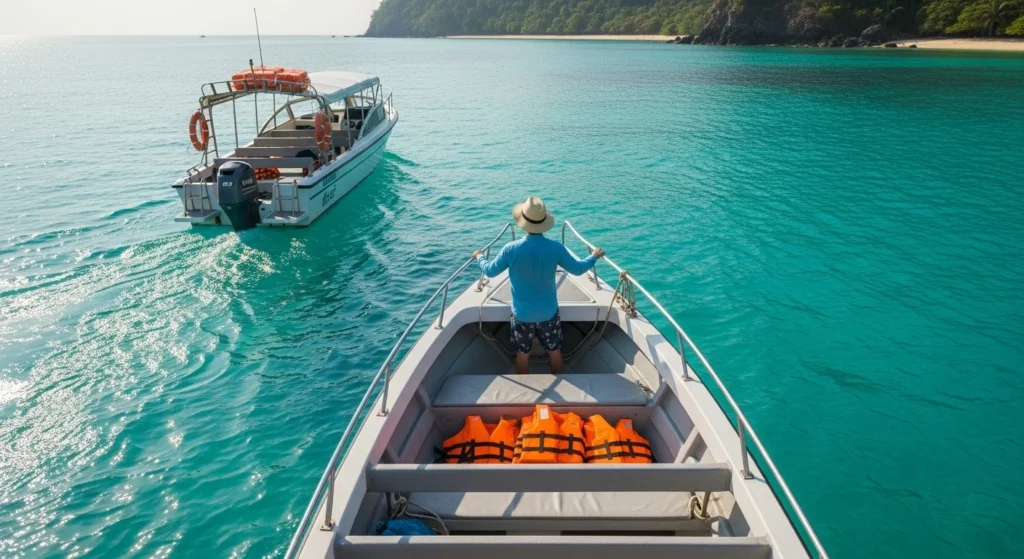
Boat tours allow travelers to experience coastlines, islands, and marine life from a unique perspective. From calm sightseeing cruises to snorkeling excursions and private yacht trips, boating experiences are designed to be enjoyable and relaxing. However, because these tours operate on open water, understanding basic boat tour safety tips is essential. Being informed helps travelers feel comfortable, follow best practices onboard, and enjoy the experience without unnecessary concerns.
This guide explains the most important safety tips every boating traveler should know before and during a boat tour.
Why Boat Tour Safety Matters
Boat tours operate in natural environments where conditions can change unexpectedly. Sea currents, wind, weather patterns, and vessel movement all affect how a tour unfolds. While professional tour operators are trained to handle these variables, passenger awareness plays an important role in overall safety.
Safety is not about expecting danger; it is about preparation. When travelers understand how tours operate and what is expected of them, they can relax and focus on the experience instead of worrying about what might go wrong.
Check out our boat tours across top destinations and book with confidence.
What to Check Before Booking a Boat Tour
Choose Licensed and Experienced Operators
The first step toward a safe boating experience begins before booking. Licensed operators are required to follow local maritime regulations, maintain their vessels, and employ trained captains and crew members. These standards exist to protect passengers and ensure tours are conducted responsibly.
Reading verified reviews can help travelers understand how seriously an operator takes boat tour safety tips. Comments about clear instructions, professional crews, and organized boarding procedures are usually good indicators of a well-managed tour.
Understand the Tour Type
Not all boat tours are the same. Some involve calm cruising, while others include higher speeds or water activities. Understanding the type of tour helps travelers assess whether it suits their comfort level and physical ability.
For example:
- Speedboats may involve sharp turns and waves
- Catamarans and yachts offer greater stability
- Snorkeling tours require swimming ability and water confidence
Knowing what to expect reduces uncertainty and helps travelers prepare properly.
Safety Briefings You Should Always Expect
A safety briefing is a standard part of professional boat tours. It provides passengers with essential information about onboard procedures and emergency protocols.
During a safety briefing, travelers are usually informed about:
- Where life jackets are stored and how to use them
- How to move safely around the vessel
- Rules during cruising and stops
- Emergency communication procedures
Paying attention during this briefing ensures that passengers know how to respond calmly if instructions are given later during the tour.
What to Wear and Bring for a Safe Boat Tour
Choosing the right clothing and personal items contributes to both safety and comfort. Boats can have slippery surfaces, strong sunlight, and sudden splashes of water.
Recommended items include:
- Footwear with a good grip to prevent slipping
- Sun protection, such as sunscreen, hats, and sunglasses
- Lightweight clothing that dries quickly
- Waterproof bags for phones and valuables
Travelers should avoid carrying unnecessary items that could move around or fall while the boat is in motion.
Onboard Safety Tips During the Tour
Once the tour begins, following simple onboard guidelines helps prevent accidents. Boats are constantly in motion, even in calm waters, and maintaining balance is important.
Key safety practices include:
- Remaining seated while the boat is moving at speed
- Holding handrails when walking around
- Avoiding sudden movements near edges
- Following crew instructions immediately
Crew members are trained to manage the vessel safely, and their instructions are always based on current conditions and passenger safety.
Snorkeling and Swim Stop Safety Tips
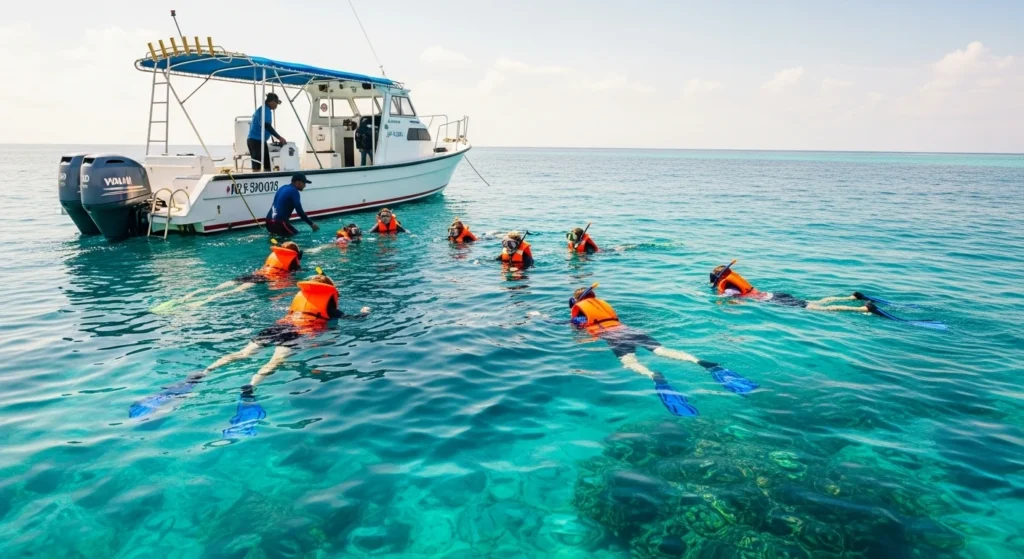
Many boat tours include swimming or snorkeling stops, which are often the highlight of the experience. These activities require extra awareness, especially for travelers who are less confident swimmers.
Important safety tips include:
- Wearing flotation devices is recommended
- Entering the water only when instructed
- Staying close to the boat or guide
- Avoiding overexertion in open water
If a traveler feels tired or uncomfortable at any point, returning to the boat and informing the crew is always encouraged.
Weather Awareness and Sea Conditions
Weather conditions have a direct impact on boating safety. Professional operators monitor forecasts closely and make decisions based on passenger well-being, not convenience.
Tours may be delayed, rerouted, or canceled if conditions are unsafe. While this can be disappointing, these decisions are made to reduce risk and ensure a positive experience when conditions improve.
How Professional Boat Tours Keep Travelers Safe
Reputable boat tours follow strict safety procedures, including:
- Regular maintenance and inspections
- Passenger capacity limits
- Emergency equipment onboard
- Clear communication before and during tours
Booking tours through trusted platforms helps travelers access operators that meet these safety standards.
Book a Safe and Trusted Boat Tour Experience
A well-organized boat tour allows travelers to focus on the scenery, water, and shared moments without concern. Choosing tours operated by experienced crews ensures a comfortable and secure experience from start to finish.
For travelers looking for trusted options in stunning locations, consider exploring Costa Rica boat tours offering a range of excursions from calm sightseeing cruises to snorkeling adventures with experienced guides.
FAQs
Are boat tours safe for first-time travelers?
Yes. Most tours are designed for beginners and include clear instructions and trained crews.
Do children need to wear life jackets?
In many locations, life jackets are mandatory for children. Operators provide appropriate sizes.
Can tours be canceled due to weather?
Yes. Weather-related cancellations are made to ensure safety and are a common practice.
Is swimming ability required for snorkeling tours?
Basic swimming ability is recommended, but flotation devices are often provided.